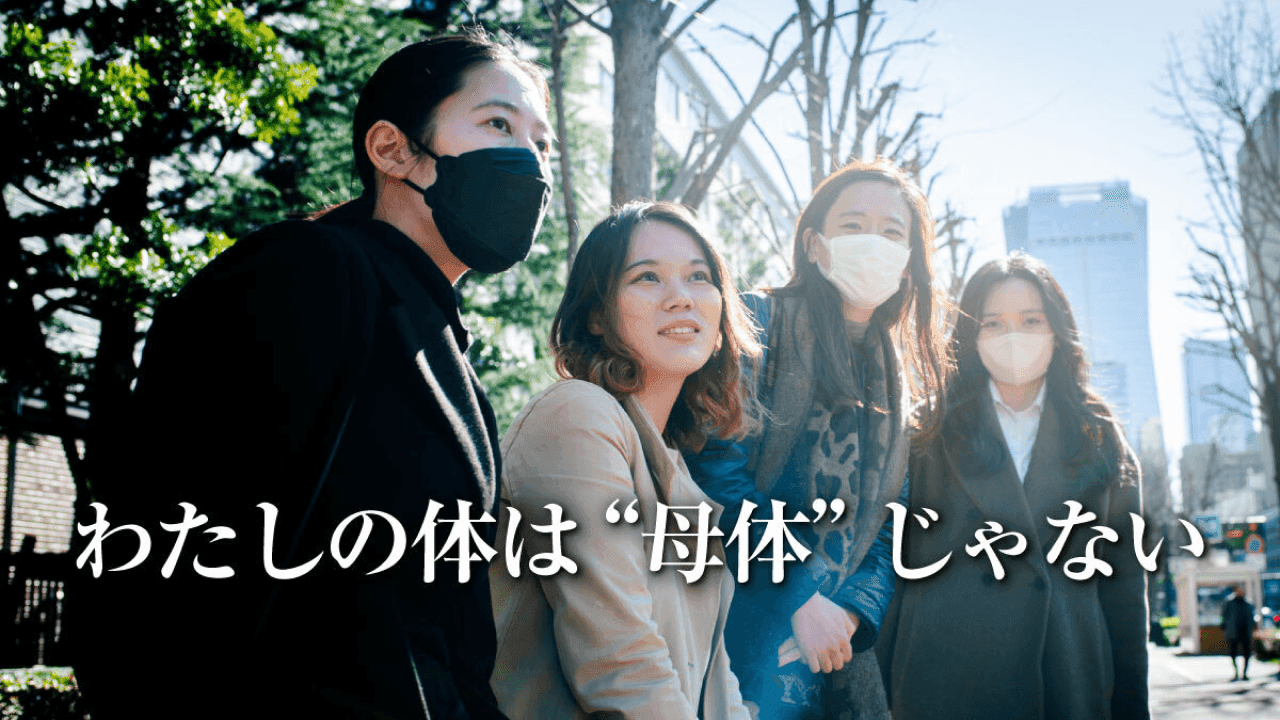

The judgment in the “Maternity Is Not My Body’s Purpose” lawsuit—filed by five plaintiffs who seek to undergo sterilization in order to live authentically—will be rendered on Tuesday, March 17 at 1:25 PM, in Courtroom 803 of the Tokyo District Court.
Two years have passed since the lawsuit was filed in February 2024. The plaintiffs and their legal team argue that provisions of the Maternal Protection Act are unconstitutional. The Act, in principle, prohibits sterilization procedures unless deemed medically necessary and imposes requirements such as having previously given birth and obtaining spousal consent.
At a time when issues surrounding SRHR (sexual and reproductive health and rights) are drawing increasing public attention, this ruling represents a pivotal moment. The judiciary will be asked to determine how far it is willing to recognize individual autonomy in matters of sexuality and reproduction—and the dignity of each person.
Whether this lawsuit can help move history forward depends on this moment. We invite you to stand with us at this critical juncture and look forward to seeing you on the day of judgment.
Schedule for the Rendition of Judgment (March 17)
◼ Plaintiffs Enter the Courthouse (12:45 PM) – In front of the Main Gate, Tokyo District Court
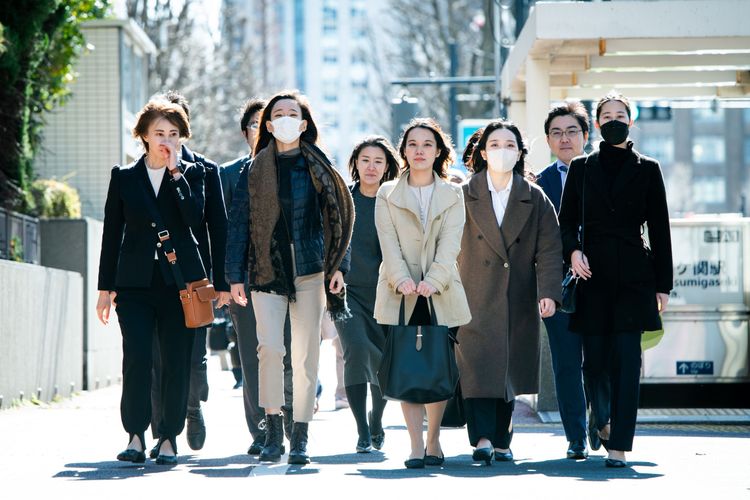
The plaintiffs and legal team will enter the courthouse ahead of the rendition. Supporters and observers are warmly encouraged to gather along the route to show their support.
◼ Rendition of Judgment (1:25 PM) – Courtroom 803, Tokyo District Court
As seating is available on a first-come, first-served basis, please arrive at the courtroom early. If the number of observers exceeds capacity, you may not be able to enter.
◼ Statement and Banner Action (Around 2:00 PM) – In front of the Main Gate
The plaintiffs and legal team will share their response to the ruling, including public statements and banner displays. Media coverage is also expected.
◼ Online Debriefing (6:30 PM) – Live on LEDGE’s YouTube
During the online debriefing, members of the legal team will explain the court’s decision and, together with the plaintiffs, reflect on the outcome and look back on the journey of the lawsuit thus far.
Message from the Legal Team
“My body is mine.” With this simple—yet in Japan, insufficiently protected—principle, we brought this case before the courts to affirm what should be self-evident.
Under the Maternal Protection Act, the deeply personal decision to undergo sterilization is subject to requirements such as spousal consent and having a certain number of children. This framework denies individual autonomy and dignity and stands within a historical continuum in which women have been placed under state control as beings defined by their capacity to bear children.
Whether to give birth is not a matter that should require anyone’s permission. It is a decision that belongs to the individual alone. Through the urgent voices of the plaintiffs seeking the right to undergo sterilization, this lawsuit also calls on Japanese society to reexamine where it stands in guaranteeing SRHR (sexual and reproductive health and rights).
The March 17 ruling will not merely determine the constitutionality of a single law. It will serve as a critical opportunity to demonstrate how far the court is prepared to recognize personal dignity and the right to self-determination.
We invite you to witness this historic moment in the courtroom.
— Michiko Kameishi, Lead Counsel, “Maternity Is Not My Body’s Purpose” Lawsuit
Pre-Judgment Event “Maternity Is Not My Body’s Purpose — Changing the Future of SRHR Through Legal Action”
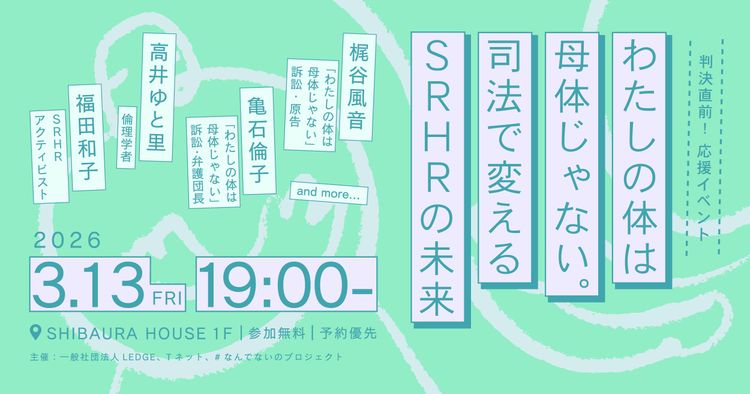
Ahead of the March 17 judgment, LEDGE, #Nandenaino Project, and T-Net will host a pre-judgment support event titled: “Maternity Is Not My Body’s Purpose — Changing the Future of SRHR Through Legal Action” on Friday, March 13, from 7:00 PM to 8:30 PM.
About the “Maternity Is Not My Body’s Purpose” Lawsuit
For women who experience discomfort with their reproductive capacity or who have made a definitive choice not to have children, sterilization represents an essential means of living life on their own terms.
However, the Maternal Protection Act prohibits sterilization for non-medical purposes and requires that a person has already given birth, as well as obtaining spousal consent.
We argue that these provisions infringe upon the constitutional right to reproductive self-determination. Through this lawsuit, we seek to revise the current legal framework and affirm that decisions about one’s body belong to the individual alone.